

The Best Eye-Popping Curb Appeal Landscaping Project for a Colorado Home
October 28, 2026
The Best Eye-Popping Curb Appeal Landscaping Project for a Colorado Home
October 28, 2026
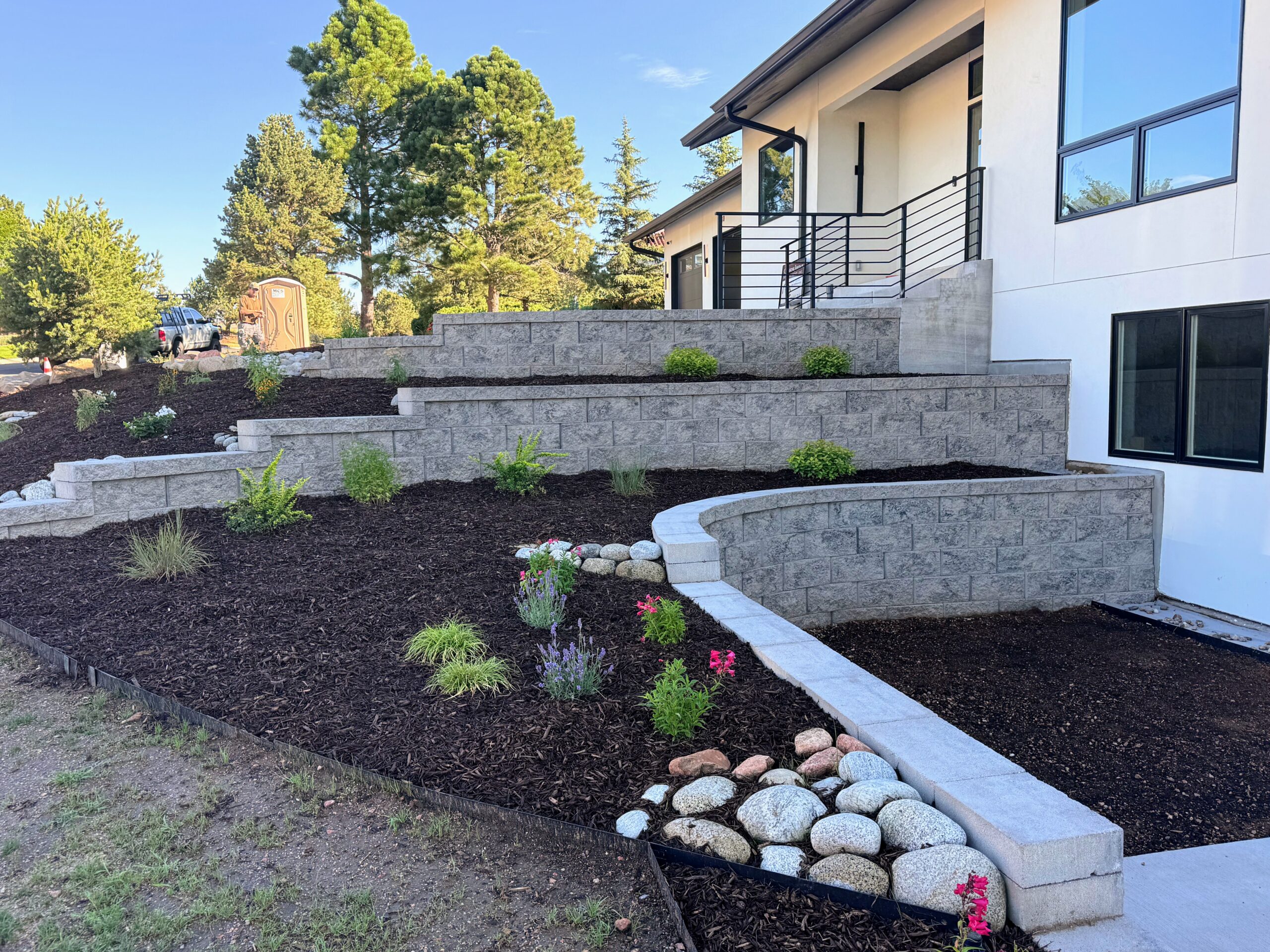
The Best Eye-Popping Curb Appeal Landscaping Project for a Colorado Home
Your front yard creates the first impression of your home. Before guests enter the driveway—or a potential buyer steps through the front door—the landscaping communicates the quality, character, and care invested in the property.
For the greatest visual impact, the best curb appeal landscaping project is a complete front entrance transformation. Rather than changing one isolated feature, this approach coordinates the walkway, entry landing, plants, boulders, retaining walls, lighting, irrigation, and decorative materials into one customized design.
At Alpine Landscaping LLC, we create luxury curb appeal landscaping throughout Colorado Springs and surrounding communities. All landscape design and construction work is completed by Alpine Landscaping, providing consistent craftsmanship and communication from the initial concept through final installation.
What Makes a Front Entrance Transformation So Effective?
A complete front entrance renovation directs attention toward the home’s best architectural features while improving the experience of approaching the property.
The project can correct several common issues at once:
- A narrow or deteriorating walkway
- An entrance that is difficult to see
- Overgrown or outdated plants
- Empty rock beds
- Poor drainage
- Steep or awkward grades
- Unstable landscape slopes
- Insufficient nighttime lighting
- Irrigation coverage problems
- Landscaping that does not complement the home
When these elements are designed together, the front yard looks polished rather than pieced together over time.
Start With a Customized Curb Appeal Design
Luxury curb appeal is not created by installing the same plants and materials at every home. It begins with a design tailored to the property.
A customized design should consider:
- The home’s architecture
- Exterior colors and materials
- Rooflines and windows
- Driveway location
- Existing elevations
- Front-door visibility
- Property size
- Sun and wind exposure
- Colorado’s climate
- HOA requirements
- Irrigation needs
- Drainage patterns
- Desired maintenance level
- Project budget
A modern Colorado home may benefit from geometric paver patterns, architectural grasses, clean edging, and linear lighting. A mountain-style property may look better with natural flagstone, evergreen shrubs, boulders, and softer planting lines.
The goal is to create a landscape that looks as though it was designed with the home—not added afterward.
Explore Alpine Landscaping’s approach to luxury custom landscape design and hardscaping.
1. Create an Impressive Front Walkway
The walkway is the visual and functional connection between the driveway, sidewalk, and front door. It should guide visitors naturally toward the entrance while complementing the architecture.
Popular luxury walkway materials include:
- Concrete pavers
- Natural flagstone
- Large-format slabs
- Decorative concrete
- Pavers with contrasting borders
- Natural stone steps
A custom paver walkway can introduce color, pattern, and definition. Natural flagstone creates a more organic Colorado appearance, especially when paired with boulders and native-inspired plants.
The walkway should be wide enough to feel welcoming and should include a comfortable landing near the front door. Curves can soften a large yard, while straighter lines may complement contemporary architecture.
Proper excavation, base preparation, compaction, edging, and drainage are critical. Colorado’s freeze-thaw cycles can expose weaknesses beneath an improperly constructed walkway, regardless of how attractive the surface looks.
2. Frame the Entrance With Statement Plantings
Plants provide softness, color, movement, and seasonal variety. The most eye-catching front yards use layered plantings rather than a single row of identical shrubs.
A balanced planting plan may include:
- Ornamental or flowering trees
- Evergreen shrubs
- Deciduous shrubs
- Ornamental grasses
- Long-blooming perennials
- Low-growing groundcovers
- Seasonal containers near the door
Plants should frame the entrance without hiding it. Taller material can anchor the corners of the home, while lower plants preserve views near windows and walkways.
Repeating several plant varieties throughout the design creates a more sophisticated appearance than installing one of every available plant. Repetition connects separate planting beds and helps the entire front yard feel intentional.
3. Use Plants That Can Handle Colorado Conditions
Colorado curb appeal landscaping must endure intense sunlight, low humidity, drying winds, snow, hail, wildlife, and significant temperature swings.
Plant selection should account for:
- Elevation
- Sun and shade
- Wind exposure
- Soil type
- Available irrigation
- Mature plant size
- Wildlife pressure
- Water requirements
- Winter appearance
- Bloom season
Colorado State University Extension provides research-based resources for selecting and caring for plants in Colorado. Its guidance on water-wise landscape design recommends grouping plants with similar water needs, a practice known as hydrozoning.
Water-wise planting does not have to look sparse. Evergreen structure, flowering shrubs, ornamental grasses, perennials, boulders, mulch, and decorative rock can create a lush, colorful landscape with more intentional water use.
4. Add Boulders for an Authentic Colorado Look
Strategically placed boulders can give a front yard immediate character and connect the home to Colorado’s natural landscape.
Boulders may be used to:
- Accent planting beds
- Frame a walkway
- Stabilize small grade changes
- Create informal seating
- Highlight a property entrance
- Anchor ornamental grasses
- Create a natural transition between elevations
- Complement a dry creek bed
Scale and placement matter. Boulders should appear partially embedded in the landscape rather than placed on top of the ground. Using a few appropriately sized boulders usually creates a stronger result than scattering many small stones across the property.
The stone color should complement the home, pavers, retaining walls, and decorative rock.
5. Build a Retaining Wall That Adds Structure
Many Colorado properties have elevation changes that make front yards difficult to landscape. A retaining wall can stabilize a slope, create level planting space, define the entrance, and become an attractive architectural feature.
Popular options include:
Boulder Retaining Walls
Boulder walls create a natural, rugged appearance that works beautifully with mountain-inspired homes, native planting, flagstone, and irregular terrain.
Block Retaining Walls
Manufactured block walls provide clean lines, consistent colors, and a refined appearance. They can coordinate with pavers, steps, columns, and formal planting beds.
A retaining wall should never be treated as only a visible row of stone or block. Base preparation, drainage, backfill, compaction, wall setback, and reinforcement all affect longevity.
Depending on wall height, location, loading, and local requirements, permits or engineering may be necessary.
6. Introduce a Signature Focal Point
An unforgettable front yard usually includes one feature that catches the eye without overwhelming the home.
Possible focal points include:
- A bubbling boulder
- A specimen ornamental tree
- A sculptural evergreen
- An illuminated boulder grouping
- A custom address monument
- A raised stone planter
- A small courtyard
- A decorative retaining wall
- A dry creek bed
- A statement container arrangement
The feature should reinforce the home’s style and lead attention toward the entrance. It should not compete with the architecture or make the front yard feel crowded.
A bubbling boulder can be especially effective in a luxury Colorado landscape because it combines natural stone, movement, sound, and reflected light within a relatively compact area.
7. Add Professional Landscape Lighting
A curb appeal project should remain impressive after sunset. Landscape lighting can highlight the home’s architecture, improve navigation, and create a welcoming arrival experience.
A professional lighting plan may include:
- Path lights
- Step lights
- Wall lighting
- Tree uplighting
- Architectural accent lighting
- Lighting beneath seat walls
- Illuminated boulders
- Water-feature lighting
- Subtle planting-bed lights
The goal is not to make the property excessively bright. Luxury lighting uses carefully selected fixtures and placement to create depth, warmth, and visual balance.
Lighting can also improve safety around steps, elevation changes, and walkways, especially during Colorado’s shorter winter days.
8. Use Decorative Rock and Mulch Intentionally
Decorative rock is common in Colorado, but rock alone rarely creates memorable curb appeal. It works best as part of a layered design with plants, boulders, edging, and hardscaping.
Rock selection should consider:
- Color
- Size
- Shape
- Compatibility with the home
- Contrast with plants
- Drainage requirements
- Maintenance
- HOA standards
Using too many different rock colors can make a front yard feel disconnected. A limited, coordinated material palette creates a more refined result.
Organic mulch may be a better choice around certain trees and plants because it helps moderate soil temperature and retain moisture. The best material depends on the planting design, exposure, slope, and desired appearance.
9. Upgrade the Irrigation System
New landscaping requires an irrigation system designed around the selected plants. Existing sprinkler zones may not provide appropriate coverage after beds, walls, walkways, or grades are changed.
An irrigation upgrade may include:
- Relocating sprinkler heads
- Adding drip irrigation
- Separating turf and planting zones
- Adjusting spray patterns
- Installing efficient nozzles
- Correcting overspray
- Adding an updated controller
- Testing pressure and coverage
Efficient irrigation protects the landscape investment while helping prevent water from spraying onto walls, sidewalks, driveways, or the home.
Learn more about Alpine Landscaping’s Colorado Springs irrigation services.
10. Solve Drainage Problems Before Installing Finishes
Drainage is one of the most important—and most frequently overlooked—parts of front yard landscaping.
Poor drainage can lead to:
- Erosion
- Settlement
- Washed-out rock
- Damaged planting beds
- Ice on walkways
- Water collecting near the home
- Retaining-wall pressure
- Premature hardscape movement
A customized drainage plan may incorporate:
- Grading
- Catch basins
- Underground drainpipe
- Dry creek beds
- Downspout extensions
- Berms
- Swales
- Drainage rock
- Retaining-wall drainage
A dry creek bed can turn a practical drainage solution into an attractive landscape feature when it is shaped naturally and constructed with coordinated stone and plantings.
11. Design for Year-Round Curb Appeal
Colorado front yards should remain attractive even when perennials are dormant and snow covers portions of the landscape.
A four-season design can include:
- Evergreen trees and shrubs
- Ornamental grasses
- Plants with colorful bark
- Decorative seed heads
- Boulders and natural stone
- Retaining walls
- Defined walkways
- Landscape lighting
- Sculptural branching
- Winter containers
Hardscaping provides year-round structure, while plants introduce seasonal change. Combining both prevents the property from looking empty during winter.
The finished design should also account for snow storage and snow removal. Piling snow onto fragile shrubs, narrow planting beds, or drainage routes can damage plants and create spring runoff problems.
Which Project Creates the Most Curb Appeal?
The best eye-popping curb appeal project is a coordinated front entrance renovation that combines several high-impact features:
| Feature | Curb appeal benefit |
|---|---|
| Custom walkway | Creates a welcoming route to the entrance |
| Layered planting | Adds color, texture and seasonal variety |
| Statement tree or feature | Establishes a memorable focal point |
| Boulders or retaining walls | Adds Colorado character and structure |
| Landscape lighting | Extends curb appeal into the evening |
| Irrigation improvements | Protects the plant investment |
| Drainage corrections | Improves long-term performance |
| Coordinated materials | Connects the landscape to the home |
The precise combination should be customized to the property. A smaller front yard may need a beautiful walkway, layered planting, and lighting. A larger or sloped property may benefit from terraces, retaining walls, boulders, steps, and a dramatic entry feature.
How Curb Appeal Can Support Property Value
A professionally designed front yard can improve the home’s presentation and potential buyer appeal.
The National Association of REALTORS® reports that curb appeal is important when attracting homebuyers. Attractive landscaping can help a property feel cared for before a buyer enters the home.
Value may come from:
- A stronger first impression
- Improved front-entry functionality
- Better drainage
- Safer walkways and steps
- Established plants
- Defined outdoor spaces
- Reduced visible maintenance concerns
- Materials that complement the architecture
No landscaping project can guarantee a particular increase in resale value. Results depend on the local market, neighborhood expectations, design, installation quality, maintenance, and buyer preferences.
The best approach is to create a front yard that improves your experience today while remaining broadly attractive to future buyers.
Plan for HOA Approval Before Construction
Many Colorado neighborhoods require approval before homeowners change visible exterior features. Requirements vary significantly between associations, so the governing documents should be reviewed before materials are ordered or construction begins.
An HOA may request information about:
- Landscape plans
- Property boundaries
- Walkway dimensions
- Retaining-wall locations
- Material colors
- Decorative rock
- Plant varieties
- Tree sizes
- Artificial turf
- Lighting
- Drainage
- Water features
- Construction access
The Colorado Division of Real Estate’s HOA Information and Resource Center provides general information about the rights and responsibilities of homeowners and associations under the Colorado Common Interest Ownership Act.
Tips for a Smoother HOA Review
Before submitting a curb appeal plan:
- Obtain the current landscaping and architectural guidelines.
- Review required setbacks, materials, and plant standards.
- Confirm exactly which documents are required.
- Submit a complete, clearly labeled plan.
- Include material colors and product information.
- Provide plant names and quantities.
- Show dimensions and property boundaries.
- Wait for written approval before beginning regulated work.
- Keep a copy of the final approved design.
- Resubmit the plan if significant changes are made.
Alpine Landscaping can develop a detailed design that helps communicate the proposed improvements and align the project with known HOA standards. Final approval remains subject to the association’s review and governing documents.
HOA approval does not necessarily replace municipal permits, utility locating, engineering, or other requirements.
Avoid These Common Curb Appeal Mistakes
Even expensive materials can produce disappointing results when the design is not coordinated.
Common mistakes include:
- Installing plants too close to the home
- Ignoring mature plant sizes
- Using too many unrelated materials
- Blocking windows or the front door
- Building a walkway that feels too narrow
- Choosing plants unsuited to the exposure
- Placing boulders on top of the soil
- Failing to plan irrigation
- Directing drainage toward the home
- Installing excessive lighting
- Beginning work before HOA approval
- Selecting trends that do not match the architecture
A professional design helps identify these concerns before construction begins.
Why Choose Alpine Landscaping for Your Curb Appeal Project?
Alpine Landscaping LLC specializes in customized landscapes designed around Colorado’s climate, terrain, and architectural styles.
Our curb appeal projects may incorporate:
- Custom landscape design
- Paver and flagstone walkways
- Retaining walls
- Boulder installation
- Trees, shrubs, grasses, and perennials
- Irrigation systems
- Landscape lighting
- Water features
- Decorative rock
- Grading and drainage
- Sod and artificial turf
Every project is tailored to the home, property, and homeowner’s vision. All design and construction work is completed by Alpine Landscaping with an emphasis on craftsmanship, communication, durability, and long-term value.
View our Colorado landscaping gallery for inspiration from completed projects.
Transform Your Colorado Home’s First Impression
The best curb appeal landscaping does more than make a front yard look attractive. It creates a welcoming arrival, complements the home, manages Colorado’s environmental challenges, and establishes a lasting first impression.
A customized front entrance renovation can combine a statement walkway, layered plants, natural boulders, retaining walls, lighting, irrigation, and drainage into one cohesive landscape.
Contact Alpine Landscaping LLC to begin designing an eye-popping curb appeal project for your Colorado home.
Frequently Asked Questions
What landscaping project adds the most curb appeal?
A complete front entrance transformation typically creates the strongest impact because it coordinates the walkway, planting, lighting, grading, irrigation, and focal features.
Which plants are best for Colorado curb appeal?
The best plants depend on elevation, sunlight, wind, soil, irrigation, wildlife, and the home’s architecture. A combination of evergreens, flowering shrubs, ornamental grasses, and perennials can provide year-round structure and seasonal color.
Do I need HOA approval for front yard landscaping?
Many HOAs require approval for changes involving plants, trees, walkways, walls, rock, turf, lighting, or grading. Review your association’s current documents and obtain written approval before beginning regulated work.
Can Alpine Landscaping prepare a design for HOA review?
Alpine Landscaping can create a detailed landscape design that communicates materials, layouts, plants, and project features. Approval requirements and final decisions are controlled by the individual HOA.
Can curb appeal landscaping increase home value?
Professional landscaping may improve perceived value, buyer interest, and marketability, but no specific financial return is guaranteed.
How can I create luxury curb appeal without using too many features?
Use a limited material palette, repeat plants throughout the design, create one strong focal point, and invest in quality construction and lighting.
Can front yard landscaping be completed during winter?
Some hardscaping, drainage, boulder, and construction work may be completed during winter when weather, soil conditions, site access, and material specifications allow. Planting and irrigation activation may need to occur during more suitable conditions.